Skip to content
A marketing service connecting Vermont homeowners with licensed metal roofing contractors. Compass Camper LLC is not a licensed contractor and does not perform roofing work.
VT Metal Roofing

Historic Home Metal Roofing in Vermont

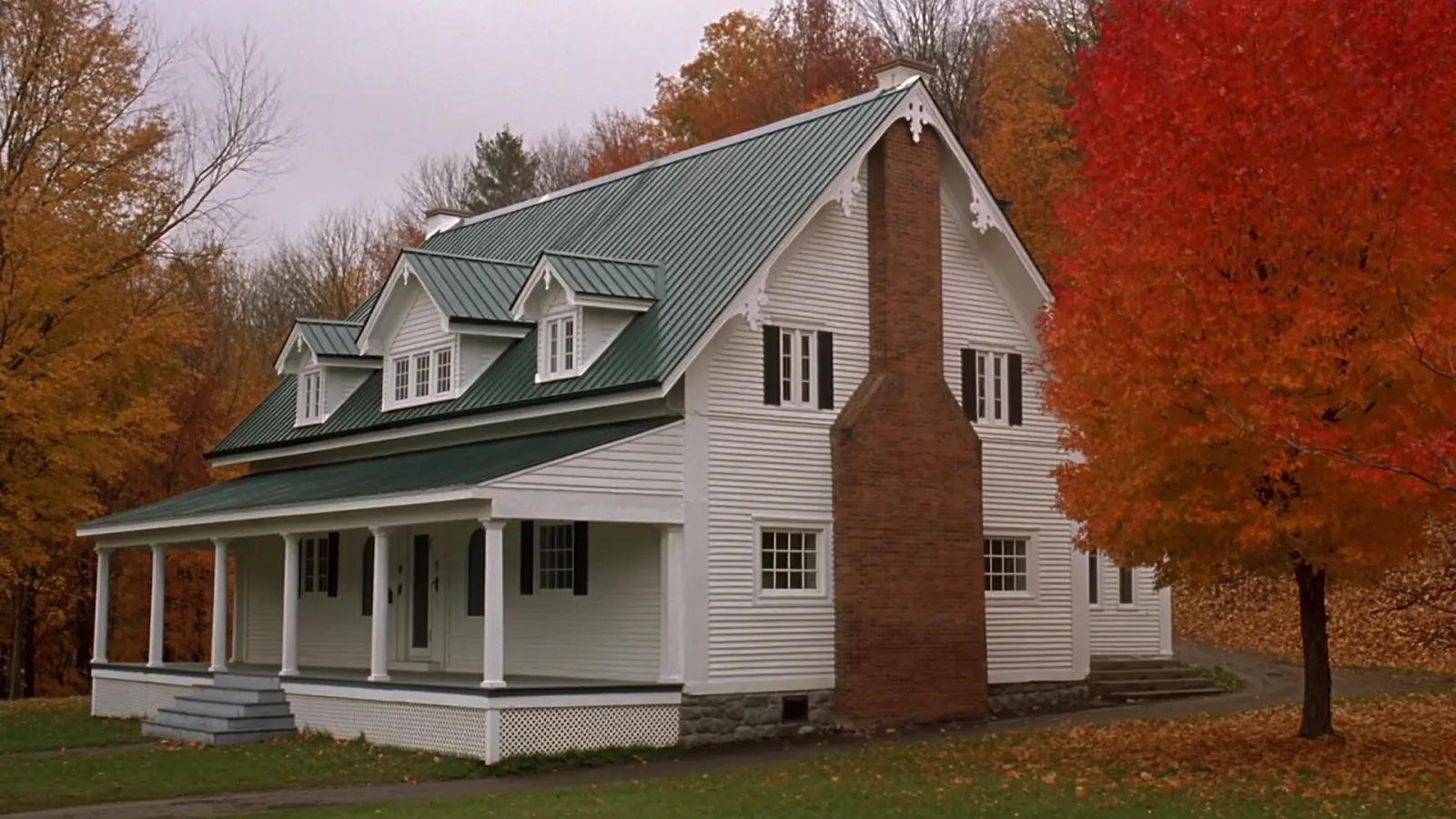
Vermont's villages are museums you can live in: Federal and Greek Revival homes on the green, Victorian commercial blocks, farmhouses with two centuries of additions. Roughly a quarter of Vermont homes predate 1940 per Census data reported by VTDigger, and many sit inside historic districts where the roof is part of the streetscape. We connect owners of these homes with independent local contractors who can put a metal roof on them without putting a foot wrong with the review board.

The preservation framework, with sources

The reference documents are public. The National Park Service's Preservation Brief 4, Roofing for Historic Buildings, covers historic roofing materials including sheet metal, and Preservation Brief 29 covers slate. The Vermont Division for Historic Preservation administers the state's historic resources, and the National Register database is where you confirm whether a property or district is listed. Vermont's slate story is its own chapter: the Vermont Geological Survey and the Vermont Historical Society document the slate valley industry that roofed much of the Northeast.

What historic roof projects get right

Know your district first

Vermont villages from Montpelier to Stowe carry National Register historic districts, and some towns run local design review over exterior changes. National Register listing by itself does not restrict a private owner, but local ordinances can, so the district check comes first.

Profile and seam choices

Narrow pans, low seam heights, and traditional detailing read as the historic standing seam Vermont villages already wear. NPS Preservation Brief 4 covers how sheet metal roofing was historically detailed, which is the vocabulary review boards use.

Slate deserves a pause

Vermont’s slate valley supplied roofs across the country, and NPS Preservation Brief 29 urges repairing sound historic slate rather than replacing it. Metal enters the conversation when a slate roof is truly beyond economic repair.

Documentation wins approvals

Boards respond to drawings, panel samples, seam profiles, and color chips, submitted early. A contractor who has been through a Vermont design review knows what the packet needs to contain.

What the process looks like

  1. 1

    District status check

    The contractor (or you, with the town zoning office) confirms whether the property sits in a National Register district, a local design review district, or both.

  2. 2

    Early board conversation

    Before anything is ordered, the proposed panel profile, seam height, and color go in front of the review board or zoning administrator informally to surface objections early.

  3. 3

    Profile selection and mockup

    Panel width, seam type, and finish get chosen to match the building’s era and the district’s character, with a sample or mockup where the board wants one.

  4. 4

    Formal approval

    Where the town requires a permit or certificate for exterior changes, the contractor assembles the documentation and the homeowner files with the town.

  5. 5

    Preservation-minded installation

    Existing trim, cornices, and flashing conditions are photographed and protected, and details like eave profiles and ridge treatments follow the approved drawings.

Villages where this comes up

Montpelier's National Register district covers hundreds of buildings including its downtown, Stowe and Middlebury both center on village historic districts, and Bennington holds the Revolutionary-era Old Bennington district. Each town page on this site records its district with sources, alongside the town's adopted snow load figure.

How to Choose a Vermont Metal Roofing Contractor

Vermont does not issue a state roofing contractor license. What Vermont has instead is a residential contractor registration: under 26 V.S.A. Chapter 106, anyone contracting for residential construction over $10,000 in labor and materials must register with the Secretary of State, carry insurance, and use a written contract. So skip the license talk and run these real checks instead.

Vermont Secretary of State registration

Residential contractors taking projects over $10,000 in labor and materials must be registered with the Office of Professional Regulation. Look the business up before you sign.

Find a Professional lookup

Proof of insurance

Registered contractors must carry liability coverage of at least $1 million per occurrence. Ask for a current certificate of insurance and confirmation of workers compensation for the crew on your roof.

Registration requirements

Manufacturer training

Panel manufacturers run installer training and certification programs. Ask which system the contractor installs and what training backs it.

Example: Englert courses and certifications

A written, itemized estimate

Vermont law requires a written contract before work or a deposit on registered projects. A good estimate itemizes panels, gauge, finish, underlayment, flashing, and snow retention.

26 V.S.A. Chapter 106

Three snow-country questions to ask every bidder

  1. What ground snow load is my roof designed for, and where does that figure come from?
  2. How will you handle snow retention over doorways, walkways, and the gutter line?
  3. Are the panels and clips rated for thermal movement across Vermont temperature swings?

The full walkthrough lives in our guide: How to Choose a Vermont Metal Roofing Contractor.

Get a Historic Roof Quote

Note the roof type as slate if that is what is up there now, and mention the district in the town field if you know it. The contractor takes the review process from there.

Request a Free Historic Roof Quote

When you submit this form, your information is shared with a licensed metal roofing contractor for the purpose of scheduling your free quote.

Historic Home Metal Roofing Questions

Is standing seam metal historically appropriate for Vermont homes?

Metal roofing has a long documented history on American buildings, and the National Park Service’s Preservation Brief 4 covers historic sheet metal roofing practice in detail. Across Vermont villages, standing seam has been a working roof on 19th-century homes, barns, and churches for generations, which is why review boards generally know exactly what a traditional profile looks like.

Do I need permission to put a metal roof on a historic home?

It depends on the district. National Register listing alone places no restrictions on what a private owner does with private funds, per the National Park Service. But many Vermont towns run local design review or historic district zoning that does regulate visible exterior changes, so the first step is always the town zoning office.

Can I replace my slate roof with standing seam?

Ask a slate professional before deciding. NPS Preservation Brief 29 recommends repairing historic slate roofs where feasible because sound slate lasts generations. Where replacement is unavoidable, a traditional standing seam profile is often an accepted substitute, and the review board conversation should happen before the contract is signed.

What colors do review boards accept for metal roofs?

Most boards evaluate color case by case against the building and streetscape, and muted traditional colors have the easiest path. Bring physical color chips to the board early. The contractor you are matched with can supply manufacturer samples in PVDF finishes.

Does historic district work cost more?

Often somewhat: custom profiles, hand-formed flashings, and approval timelines add labor and lead time compared with a standard installation. Published standing seam ranges still frame the ballpark, and our Vermont cost guide covers the variables. The written quote from the contractor reflects your district’s specifics.

Get a Free Metal Roofing Quote

Tell us about your roof and get a free, no-obligation quote from an independent local standing seam contractor who works in your part of Vermont.

Monday to Friday, 8 AM to 5 PM Eastern

Call Now Free Quote