Metal Roof Replacement in Vermont
Most metal roofing projects in Vermont start as replacements: an asphalt shingle roof at the end of its run, an old screw-down metal roof with weeping fasteners, or storm damage that forces the decision early. A conversion runs end to end, from the tear-off decision to the final snow guard, and the written quote for it is free.
Why the conversion case is strong here
Vermont's housing stock is old: roughly a quarter of the state's homes were built before 1940, about double the national share, per Census data reported by VTDigger. Those steep-roofed village homes and farmhouses were built for wood and metal roofs, not for asphalt that relies on sealed tabs. Meanwhile, Efficiency Vermont traces ice dams to attic heat loss melting roof snow that refreezes at cold eaves, a cycle that punishes shingle eaves in particular. A standing seam replacement pairs a snow-shedding surface with the chance to fix eave detailing and attic air sealing at the same time.
Four replacement scenarios contractors quote
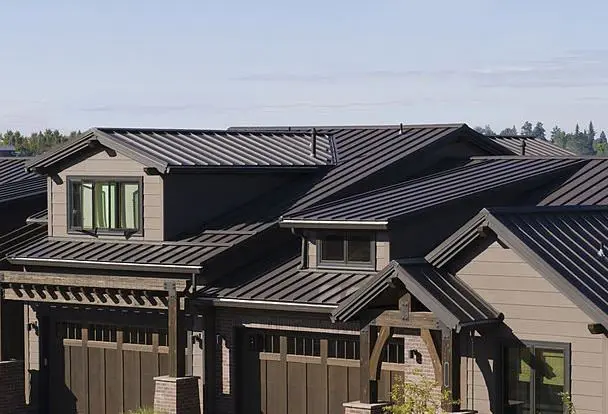
Asphalt shingle to standing seam
The most common conversion. The contractor assesses the decking under the shingles, decides tear-off vs overlay with you, and details the eaves against ice dams before panels go on.
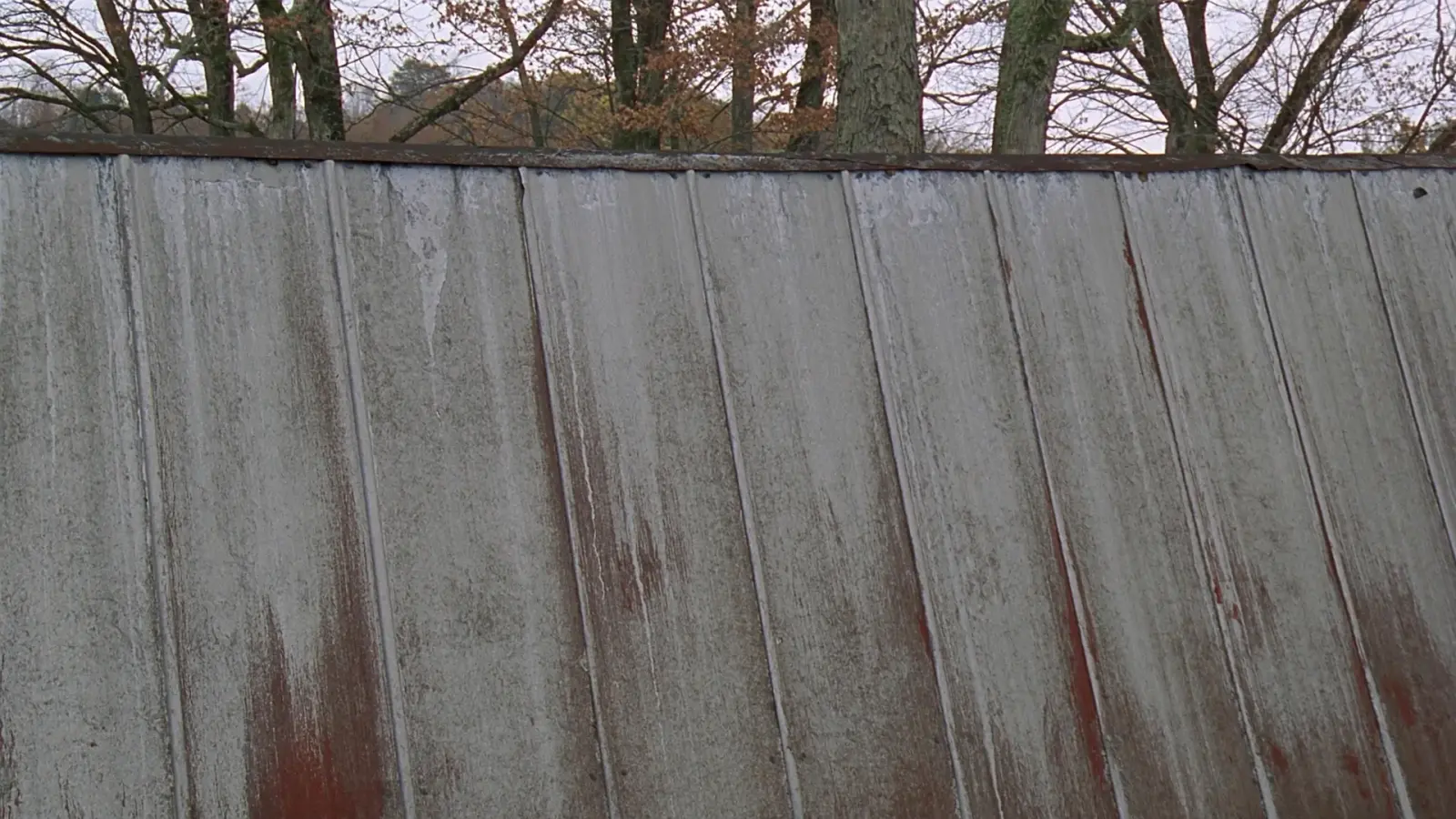
Old metal to new standing seam
Plenty of Vermont roofs carry corrugated or exposed-fastener metal from past decades. Upgrading to concealed-fastener standing seam removes the aging gasketed screws that become the leak path.
Slate decisions
The National Park Service urges repairing historic slate before replacing it. Where a slate roof truly is beyond repair, our historic home page covers metal profiles that respect the original look.
New construction and additions
Building new in Vermont means designing for your town’s adopted ground snow load from day one. Standing seam integrates with modern ventilation and insulation details cleanly.
Slate guidance: NPS Preservation Brief 29 on slate roofs. Historic districts: historic home metal roofing.
What the contractor does, step by step
- 1
Roof and attic assessment
The contractor checks shingle condition, decking soundness from the attic side, ventilation paths, and any signs of past ice dam leaks at the eaves.
- 2
Tear-off or overlay decision
Where decking is sound and local code allows, metal can sometimes be installed over a single existing layer. The contractor documents the choice and its warranty implications in writing.
- 3
Deck repair and preparation
Soft or delaminated sheathing is replaced. This is the line item that surprises homeowners, so a good quote states a per-sheet price for decking replacement up front.
- 4
Snow-country underlayment
A high-temperature ice and water barrier goes down at eaves, valleys, and penetrations, with synthetic underlayment across the field, matched to the panel manufacturer’s specifications.
- 5
Panel installation and cleanup
Standing seam panels, flashings, and snow retention go on per the engineered layout, and the old roofing is hauled off and disposed of properly.
What a roof replacement costs in Vermont
Tear-off and disposal, decking repair, roof complexity, panel system, gauge, and snow retention are the big variables. For attributed ranges, published surveys put standing seam at $9 to $16 per square foot installed (HomeGuide), with exposed-fastener metal lower on the same survey's metal roof cost page. For the whole-job view, Zonda's 2025 Cost vs. Value Report averages a metal roof replacement near $51,900 nationally against about $31,900 for asphalt shingles. The Vermont metal roof cost guide goes deeper. Your real number is the contractor's written quote.
Metal roof replacement across Vermont
Replacement work runs the length of the state, from Rutland County and Bennington County to Brattleboro and St. Johnsbury. See every service area.